
July 21, 2025
Is Ragweed Season Starting Early? How to Prepare for Austin’s Fall Allergies

If you’re already sneezing, sniffling, and waking up congested—even though it still feels like summer—you’re not imagining things. Ragweed season may be starting early this year in Austin, which means symptoms of what’s often called hay fever are already showing up for allergy sufferers—and that’s no small deal.
In Austin, fall allergies don’t wait for cooler weather. Ragweed season typically begins in late summer, but thanks to this year’s unusual weather patterns, ragweed is making an even earlier, uninvited appearance. At Greater Austin Allergy, we’ve seen this before—the sneaky arrival of ragweed that catches everyone off guard.
But don’t worry—we’ve got your back with real answers, smart tips, and simple ways to stay ahead of it all, so you can enjoy fall without the sniffles stealing the show.
What Is Ragweed and Why Does It Matter?
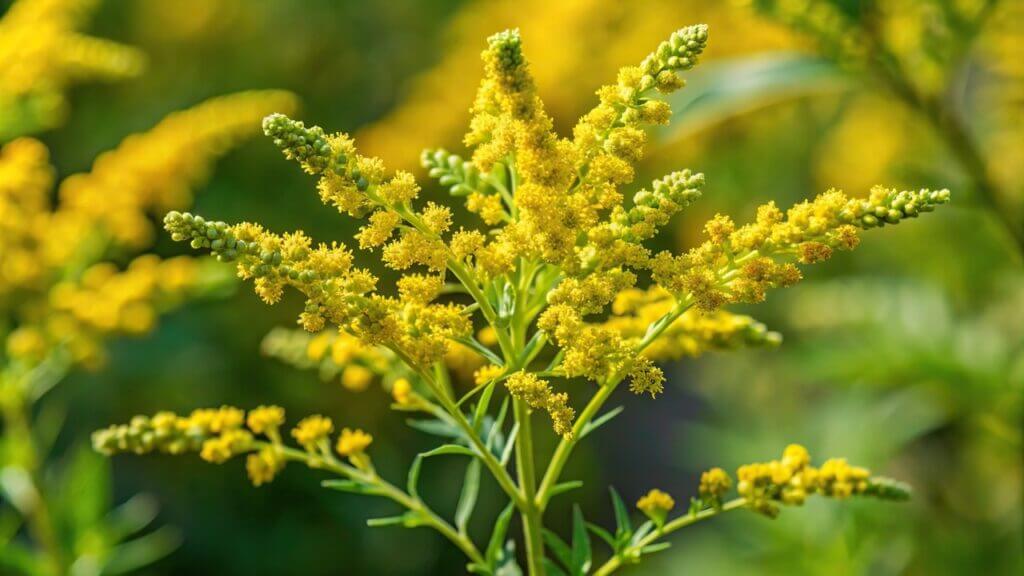
Ragweed is a wildly common plant that—unfortunately—loves Central Texas as much as we do. The ragweed plant is the source of the pollen that triggers allergies. It’s the kind of weed you don’t notice… until it’s wrecking your sinuses. Just one plant can release over a billion grains of pollen into the air (yes, billion with a B). And once airborne, that pollen can travel for miles—coating your car, your clothes, your hair, and even your dog. So even if there’s no ragweed in your yard, people allergic to ragweed may still feel the effects, since ragweed pollens can travel long distances.
Ragweed plants release pollen into the air during summer and fall, which is when ragweed pollen allergy symptoms are most common. In Austin, ragweed season usually ramps up from late August through mid-November, but thanks to warmer temps, extra rainfall, and climate shifts, this year’s season may have arrived early—and plans to stick around. Ragweed grow in a variety of environments across North America, including fields, roadsides, and open lots, making them especially prevalent in Central Texas and many other regions. While pollens from grasses, trees, and other weeds can cause allergies, ragweed pollen allergy is especially common in this region.

Why Is Ragweed Season Starting Early in Austin?
If you’ve been wondering, “Is it just me, or are my allergies kicking in early this year?”—you’re definitely not alone. And no, you’re not overreacting. There’s real science behind why your symptoms might be flaring up weeks ahead of schedule. Ragweed season typically ends in early November, but this year’s early start means symptoms like increased coughing and asthma symptoms may appear sooner than usual.
Here’s what’s likely fueling ragweed’s early arrival in Central Texas:
- Unusually warm weather that’s prolonging the growing season
- Above-average rainfall giving ragweed plants an extra boost
- Climate trends that lead to longer, more intense pollen seasons overall
Pollen counts usually peak around mid September, which is when asthma symptoms and increased coughing are most common. Monitoring the pollen count can help allergy sufferers anticipate symptom flare-ups and plan accordingly.
At Greater Austin Allergy, we’re already seeing patients walking through the door with full-blown fall allergy symptoms—long before Labor Day. If you’re feeling foggy, fatigued, and congested earlier than usual, you’re in good company. And we’re here to help you get ahead of it.
What Does a Ragweed Reaction Feel Like?
Seasonal allergy symptoms, also known as hay fever symptoms or seasonal allergic rhinitis, often appear during ragweed season. The following symptoms are typical:
- Persistent sneezing
- Runny or stuffy nose
- Nasal congestion
- Itchy, red, or watery eyes
- Itchy throat or scratchy throat or ears
- Coughing or postnasal drip
- Head pressure or sinus pain
- Fatigue or “brain fog”
These symptoms are allergic reactions to allergens like ragweed pollen. Nasal passages can become inflamed or congested during allergy season. Common triggers include pollen, mold, and other allergens.
Ragweed pollen can also trigger allergic asthma, causing asthma symptoms to worsen during peak season. Some people may experience oral allergy syndrome, with itching or swelling in the mouth or throat after eating certain foods related to ragweed pollen.
Diagnosis may involve a skin prick test or blood test to identify specific allergens. Consulting a board certified allergist or healthcare provider is recommended for accurate diagnosis and effective management.
Sound familiar? If these symptoms seem to come and go with the seasons—or flare up after time outdoors—it’s probably not a cold. It’s likely ragweed. And you don’t have to power through it alone.
How to Outsmart Austin’s Early Fall Allergy Season
Here’s your game plan to stay one step ahead of ragweed and keep your fall fun—not foggy. These strategies are designed to prevent symptoms of ragweed allergies and asthma, helping you breathe easier during peak season. Various treatments are available to help manage symptoms and improve your quality of life, especially if you are affected by ragweed allergies or have asthma that can be triggered by pollen.
Start Checking Pollen Counts Daily
Timing is everything. Ragweed pollen levels tend to spike between 10 a.m. and 3 p.m., especially on warm, breezy days. Make it part of your morning routine to check pollen levels and adjust your plans accordingly.
Use apps like Pollen.com or check out our local allergy report at Greater Austin Allergy websitefor real-time pollen data.
Keep Pollen Out of Your Personal Space
Your home should be your allergy sanctuary. Here’s how to make that happen:
- Keep windows closed during peak pollen hours
- Run your A/C with a clean HEPA filter
- Change clothes and shower after being outdoors
- Wipe down pets’ fur after walks
- Wash bedding weekly in hot water
- Use an air purifier in your bedroom
These small changes can drastically reduce how much pollen follows you indoors.
Breathe Easy Indoors: Improving Your Home’s Air Quality
When ragweed pollen season hits Austin, your home should be a safe haven from allergy symptoms—not another source of sneezing and congestion. Ragweed pollen and other indoor allergens can easily sneak inside, especially during high pollen days in the summer and early fall. But with a few smart strategies, you can transform your indoor air and ease symptoms of ragweed allergy, hay fever, and allergic rhinitis.
Start Your Allergy Meds Before Symptoms Hit
Allergy meds work best when taken before symptoms are severe. Here are a few options to consider:
- Antihistamines for sneezing, itching, and runny nose
- Nasal corticosteroids to reduce inflammation and congestion
- Saline rinses to flush pollen out of your nose
- Eye drops for itchy, watery eyes
Not sure what’s right for you? Schedule a consultation with and we’ll build a treatment plan that fits your symptoms, schedule, and lifestyle.

Get Allergy Tested—Know What You’re Dealing With
Guessing your triggers only gets you so far. If you’re tired of trial-and-error or don’t know whether it’s ragweed, mold, or something else, allergy testing can give you clarity. Allergy tests, such as skin or blood tests, are typically performed by a board certified allergist or healthcare provider to accurately identify your specific allergens.
At Greater Austin Allergy, we offer quick, accurate testing to pinpoint your allergens—and help you take control, not just cover symptoms.
If ragweed is one of your biggest offenders, immunotherapy (like allergy shots or tablets) could be a game-changer. Allergy shots and immunotherapy are typically administered in a doctor’s office, where a healthcare provider can monitor your progress and adjust your treatment as needed. Over time, this treatment can desensitize your immune system so future allergy seasons hit you less and less.
Boost Your Allergy Resilience Naturally
Let’s not forget: your body plays a role, too. When you’re run down, allergies hit harder. A few ways to support your immune system this season:
- Stay hydrated to thin mucus and ease congestion
- Eat anti-inflammatory foods (think: berries, greens, salmon)
- Limit alcohol and high-histamine foods
- Get plenty of sleep—seriously, your immune system needs it
- Practice stress management (even a quick walk or deep breathing helps)
You don’t need to overhaul your life—just be consistent with a few good habits.

When to Call Greater Austin Allergy
If you’re doing everything right and still feel miserable, or if your symptoms are affecting your sleep, work, or daily life—it’s time to call in the experts.
At Greater Austin Allergy, we offer:
- Same-week appointments
- Personalized treatment plans
- In-office allergy testing
- Long-term relief options like immunotherapy
- Compassionate care from specialists who know Austin’s allergy landscape inside and out
We understand what you’re going through—because we treat it every day. And we’re ready to help you feel like yourself again.

Reclaim the Season You Love—With Relief That Works
Fall in Austin should mean football games, patio brunches, weekend hikes, and the return of boots and flannel—not sneezing fits, sinus headaches, and a stockpile of tissues.
If ragweed is already crashing the party, don’t wait for your symptoms to spiral. The sooner you act, the better your season will be—and the easier your allergies will be to manage.
At Greater Austin Allergy, we’re here to help you breathe easier, sleep better, and actually enjoy everything Austin has to offer this fall. So stop guessing and start feeling better.
Book your appointment today and let’s make this your easiest allergy season yet—because in Austin, allergies may be part of life, but suffering doesn’t have to be.


