
March 17, 2026
Spring Allergies Texas: When to See an Allergist

Spring in Texas brings blooming trees, warmer weather, and plenty of time outdoors. But for many people, it also marks the start of allergy season. As pollen counts rise and outdoor allergens circulate in the air, people across Central Texas experience the familiar allergy symptoms of sneezing, runny nose, nasal congestion, and itchy eyes.
These seasonal allergies, sometimes called hay fever or allergic rhinitis, occur when the body’s immune system overreacts to substances like pollen, grass pollen, or ragweed pollen. While some people experience only mild symptoms, others struggle with persistent congestion, sinus pressure, and fatigue that disrupt daily life.
Knowing what causes pollen allergies—and when it may be time to see an allergist—can help you find lasting relief and better manage your allergies throughout the spring.
Introduction to Spring Allergies
Spring allergies, often referred to as hay fever or allergic rhinitis, are a common health concern as the weather warms and plants begin to bloom. When the immune system encounters outdoor allergens like pollen from blooming trees and grasses, it can trigger a cascade of allergy symptoms. These may include sneezing, a runny nose, nasal congestion, sinus pressure, and itchy or watery eyes.
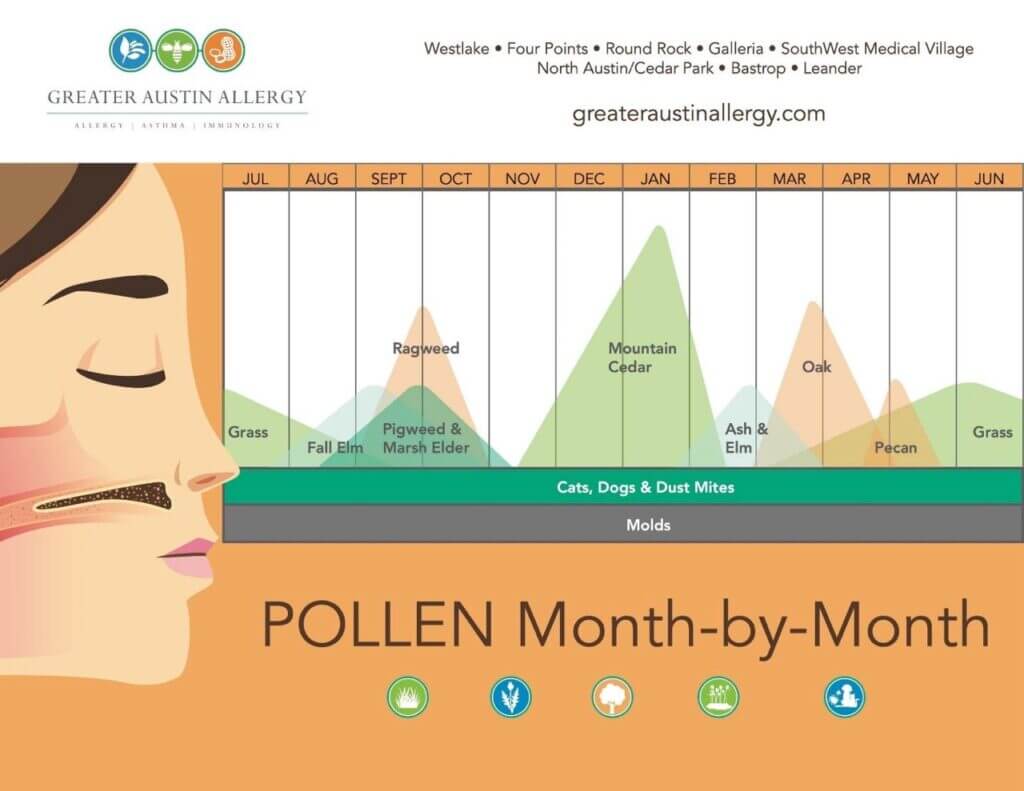
In Central Texas, spring allergy season is often driven by oak, elm, and ash tree pollen, along with increasing grass pollen later in the season. As pollen counts rise, many people experience worsening congestion and discomfort. Understanding the specific triggers and symptoms of spring allergies is the first step in creating an effective treatment plan to relieve sneezing, congestion, and other bothersome symptoms so you can enjoy the season more comfortably.
Why Spring Allergies Are So Common in Texas
Texas is well known for intense allergy season, especially in areas with large populations of oak, elm, ash, grasses, and other plants that release pollen. In some regions of the state, allergens appear earlier and linger longer than in other parts of the country.
Earlier in the year, some Texans experience symptoms commonly referred to as cedar fever, which is caused by pollen from mountain cedar trees. However, as spring progresses, oak, elm, and ash pollen typically become the primary triggers for seasonal allergies, followed by rising grass pollen levels.
Several environmental factors contribute to strong allergy seasons in Texas:
- High pollen counts during spring months
- Windy days that spread pollen across large areas
- Long growing seasons with multiple types of seasonal allergens
- Outdoor activities like lawn mowing or gardening chores that increase exposure
Even people who typically experience only mild symptoms may notice more severe reactions during peak pollen periods.
Common Spring Allergy Symptoms
Spring allergy symptoms can affect the nose, eyes, skin, and respiratory system. These symptoms occur when the body’s immune system reacts to common allergens such as pollen, mold, or dust mites.
Typical symptoms may include:
- Frequent sneezing
- Runny nose
- Nasal congestion
- Sinus pressure or headaches
- Itchy eyes and watery eyes
- Postnasal drip
- Skin irritation or itching
Some people also experience fatigue or difficulty sleeping because of persistent congestion.
For individuals with allergy asthma, exposure to seasonal allergens can also trigger coughing, wheezing, or breathing difficulties.

Outdoor Allergens That Trigger Spring Allergies
Spring brings a variety of outdoor allergens that can trigger allergic reactions. These particles are lightweight and easily carried by wind, which means exposure can happen even if you’re not directly near the plants releasing pollen.
Some of the most common spring triggers include:
- Oak, elm, and ash tree pollen
- Grass pollen from lawns, parks, and fields
- Pollen from other flowering plants and trees
- Wind-carried pollen that travels long distances
Activities like yard work, lawn mowing, or spending time outside during early morning hours—when pollen levels tend to peak—can increase exposure.
Indoor Allergens That Can Make Symptoms Worse
While many people think of pollen as the primary cause of spring allergies, indoor allergens can also contribute to symptoms and may even cause issues year round.
Common indoor triggers include:
- Dust mites in bedding and furniture
- Pet dander
- Mold spores in damp areas
- Pollen tracked indoors on clothing, shoes, or pets
To reduce indoor exposure, it can help to shower after spending time outside and rinse pollen from hair and skin. Washing clothes and bedding regularly can also help reduce allergen buildup.
Tips to Reduce Exposure During Allergy Season
Although it’s impossible to eliminate all allergens, certain habits can help reduce exposure and provide relief during spring.
Helpful strategies include:
- Check local pollen counts before spending extended time outdoors
- Stay indoors on days with extremely high pollen counts
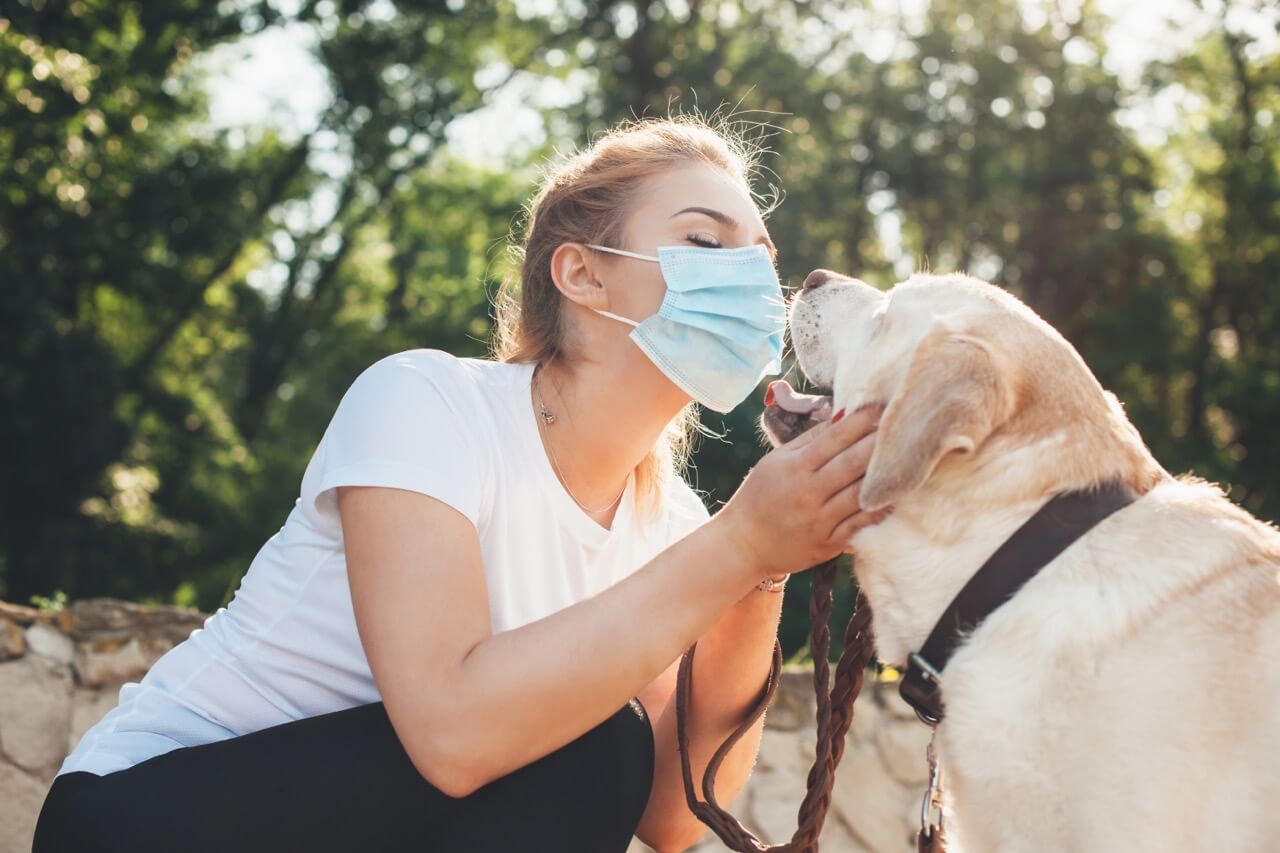
- Wear a face mask while doing yard work or gardening
- Shower and change clothes after outdoor activities
- Keep windows closed during peak pollen periods
- Use air filtration systems to help reduce indoor allergens
These steps can help limit contact with pollen and reduce the severity of allergic reactions.
Allergy Medicines That May Help
Many people rely on allergy medications to manage seasonal symptoms. Depending on your symptoms, a doctor may recommend several options.
Common treatments include:
- Oral antihistamines to help reduce sneezing and itching
- Corticosteroid nasal sprays such as fluticasone propionate to reduce inflammation
- Decongestants to ease nasal congestion
- Eye drops to help relieve itchy or watery eyes
Sometimes allergy medications combine different approaches to improve results. While these medications can help control symptoms, they often provide temporary relief rather than addressing the underlying allergic condition.
When to See an Allergist
If your symptoms persist despite over-the-counter medications, it may be time to see an allergist. Our allergists are highly qualified physicians trained to diagnose and treat allergies and related conditions like allergy asthma, ensuring expert care and personalized treatment plans.
Allergy experts in Texas can help manage seasonal allergy symptoms.
You may benefit from medical care if:
- Symptoms last for weeks or months during allergy season
- Over-the-counter allergy medicines don’t provide enough relief
- Allergies interfere with sleep, work, or school
- You experience frequent sinus infections or severe congestion
- Your symptoms trigger asthma
At Greater Austin Allergy, patients receive care from our specialists who focus on identifying the root cause of symptoms and developing personalized solutions. Allergy clinics in Texas offer immunotherapy as a treatment option for seasonal allergies. Many allergy clinics in Texas provide skin tests to identify specific allergens.

How Allergy Testing Works
To identify the specific allergens causing symptoms, an allergist may recommend allergy testing. This helps determine which substances are triggering the immune system’s reaction.
Testing options may include:
- Skin testing – Small amounts of suspected allergens are applied to the skin to observe reactions.
- Blood tests – These tests measure the body’s immune response to certain allergens.
By identifying the exact triggers—such as oak, elm, ash, or grass pollen, as well as dust mites and other indoor allergens—your allergist can design a targeted treatment plan.
Long-Term Allergy Treatment Options
For patients with persistent symptoms, allergists may recommend treatments designed to improve the body’s tolerance to allergens.
One common option is allergy shots, a form of immunotherapy that gradually helps the immune system become less sensitive to allergens. These treatments involve regular injections administered over time.
Another option is sublingual immunotherapy, which involves placing a dissolvable tablet under your tongue daily to expose your immune system to the allergen.
Immunotherapy can help:
- Reduce the severity of allergic reactions
- Decrease reliance on daily medications
- Improve quality of life for people with severe seasonal allergies
Many patients find that allergy shots provide lasting relief and better long-term allergy care.
Rinsing your nasal passages with saline solution is a quick, inexpensive, and effective way to relieve nasal congestion. Using a saline sinus rinse can help thin out secretions and clear the sinuses.
Debunking Seasonal Allergy Myths
When it comes to seasonal allergies, there are plenty of myths that can make managing symptoms more confusing. One widespread belief is that eating local honey can help relieve allergy symptoms. In reality, the pollen found in honey is not the same type that causes most seasonal allergies, so this remedy is unlikely to provide real relief. Another common misconception is that moving to a different climate, such as a desert, will eliminate allergies altogether. However, every region has its own plants and pollen sources, and even dry climates can trigger allergy symptoms. It’s also important to know that allergy medications work best when taken consistently—ideally starting before allergy season begins—rather than only after symptoms like sneezing, congestion, or itchy eyes appear. By understanding the facts and letting go of these myths, you can take more effective steps to find relief from seasonal allergies and keep symptoms like itchy eyes, sneezing, and congestion under control.
Finding Relief from Spring Allergies
Spring allergies are common throughout Texas, but effective treatments can help you manage symptoms and enjoy the season more comfortably.
If persistent sneezing, congestion, or itchy eyes are interfering with your daily life, consulting an allergist may be the next step toward lasting relief.
At Greater Austin Allergy, our team works closely with patients of all ages—including children—to identify triggers, create personalized treatment strategies, and provide compassionate care for allergies, asthma, and related conditions.
With the right treatment, many patients are able to reduce symptoms, improve their health, and spend more time enjoying the outdoors—without letting spring allergies take control.


