May 18, 2026
Why Your Allergies Feel Worse During Wildfire and Drought Season
Summer in Central Texas brings more than heat. Between drought conditions, wildfire smoke, rising pollen counts, and poor air quality, many people notice their allergies and asthma symptoms becoming harder to manage.
Even people who normally handle seasonal allergies fairly well may suddenly find themselves dealing with more coughing, sneezing, watery eyes, fatigue, congestion, or difficulty breathing. When the air feels dry, smoky, or heavy, your body notices.
At Greater Austin Allergy, we often see an increase in allergy symptoms and asthma flare-ups during wildfire season. While wildfire smoke allergies are not technically true allergic reactions, smoke exposure can still irritate sensitive airways and make existing allergies feel significantly worse.
Why Drought Conditions Make Allergies Feel More Intense
Texas drought conditions create the perfect environment for allergens and airborne irritants to linger longer in the air. Without regular rainfall to clear pollen, dust, smoke, and other particulate pollutants, those tiny particles continue circulating day after day.
Dry weather and windy days can also:
- Increase dust exposure
- Spread grass pollen and weed pollen more easily
- Irritate sensitive airways
- Trigger inflammation
- Affect overall breathing comfort
For many people, symptoms become more noticeable after spending time outdoors, especially during periods of poor air quality. You may wake up congested, feel irritation in your throat, or notice your eyes burning after being outside.
And because allergy seasons overlap in Central Texas, wildfire smoke, pollen, pollution, and other allergens often affect people at the same time.
Wildfire Smoke and Air Quality: What’s Actually Happening?
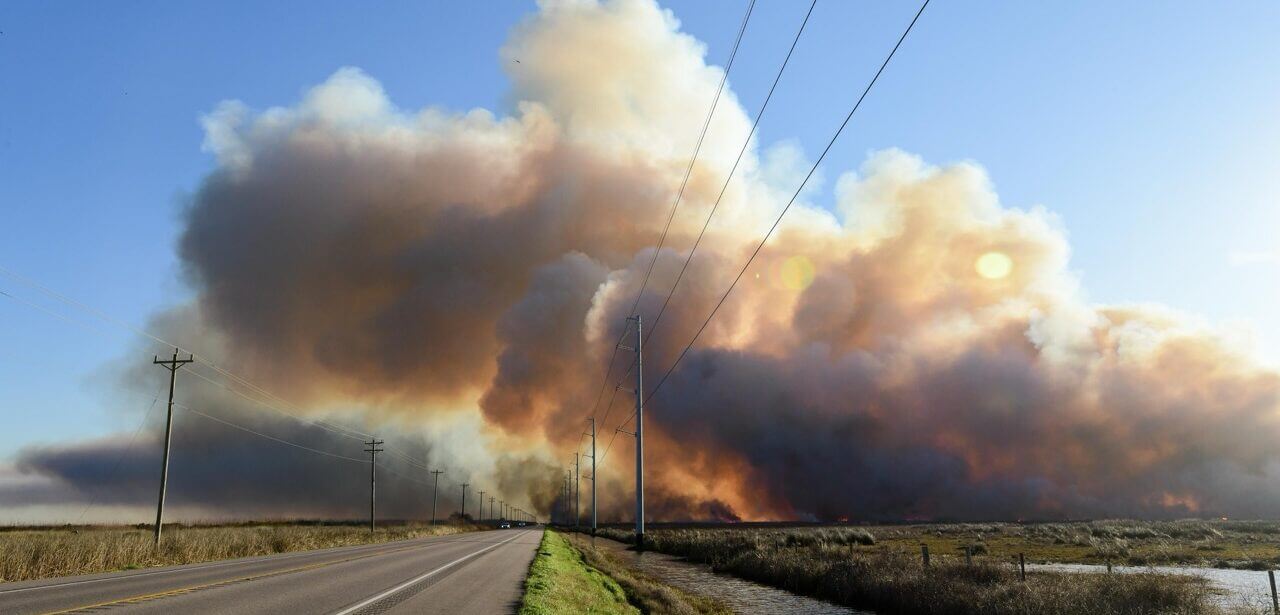
Wildfire smoke contains fine particles, gases, chemicals, and volatile organic compounds that can irritate the respiratory system. These particles are small enough to travel deep into the lungs and affect breathing, especially during poor air quality days.
Even fires happening hundreds of miles away can still affect local air quality in Texas. Smoke can drift across states, creating hazy skies and worsening the air quality index across the region.
Unlike pollen or pet dander, smoke is not technically an allergen. However, repeated exposure to wildfire smoke can still trigger inflammation and make people more sensitive to environmental allergens like dust mites, mold growth, pet dander, and pollen.
The health effects of wildfire smoke may include:
- Runny nose
- Watery eyes
- Sneezing
- Coughing
- Wheezing
- Fatigue
- Chest tightness
- Shortness of breath
- Difficulty breathing
Especially those with asthma, sensitive lungs, or chronic respiratory conditions may notice symptoms becoming much worse during wildfire season.
For some individuals, wildfire smoke exposure may also increase the risk of respiratory infections or even trigger an asthma attack.
Why Smoke Makes Seasonal Allergies Worse
Many patients assume pollen alone is causing their symptoms, but smoke and pollution can make allergies feel much more severe.
When your airways are already irritated from pollen exposure, adding smoke, dust, and pollution creates even more inflammation. That irritation can affect your nose, throat, chest, and lungs all at once.
This is why many people feel like their allergies suddenly “change” during smoky weather. Symptoms may feel heavier, more persistent, or harder to control than usual.
Smoke can also make it harder for sensitive individuals to recover after spending time outdoors, particularly when pollen levels and air pollution are both elevated.
Common Summer Irritants in Central Texas
Several environmental factors can affect air quality and allergy symptoms during summer months.
Wildfire Smoke
Regional wildfire activity can significantly affect local air conditions, even when fires are not nearby.
High Pollen Counts
Grass pollen and weed pollen remain active throughout much of summer and early fall in Texas.
Dust and Wind
Dry weather and windy days create more airborne dust and pollutants.
Heat and Pollution
Extreme heat can worsen pollution levels and increase airway irritation.
Indoor Allergens
Spending more time indoors may increase exposure to dust mites, mold growth, and pet dander.

How to Protect Yourself During Wildfire Season
While it may not be possible to avoid exposure completely, there are ways to minimize symptoms and better protect your health during wildfire and drought season.
Monitor Air Quality and Pollen Counts
Checking local pollen counts and the air quality index can help you decide when it is safest to spend time outside.
Stay Indoors During Poor Air Quality Days
On smoky days, it is often best to stay indoors as much as possible — especially for children, older adults, and people with asthma.
Keep Windows and Doors Closed
Keeping windows closed and doors closed can help reduce smoke, pollen, and dust entering your home.
Improve Indoor Air Quality
Using a high efficiency particulate air filtration system or HEPA-certified air purifier may help keep indoor air clean by capturing fine particles and airborne allergens.
Reduce Humidity Indoors
Managing indoor humidity can help prevent mold growth and reduce additional allergen exposure.
Change Clothes After Being Outside
Smoke particles and pollen can cling to clothing, hair, and skin. Showering after outdoor exposure may help reduce irritation indoors.
Follow Your Asthma Treatment Plan
If you have asthma, continue using your prescribed treatment plan and keep your rescue inhaler nearby during wildfire season.
When to Seek Professional Allergy or Asthma Care
Sometimes symptoms become more than just a seasonal annoyance.
If you are experiencing:
- Increased wheezing
- Persistent coughing
- Ongoing fatigue
- Chest tightness
- Difficulty breathing
- Symptoms interfering with sleep or daily activities
…it may be time to seek professional evaluation and treatment.
Allergy testing can help identify triggers contributing to your symptoms while allowing providers to create a more personalized treatment plan for managing allergies and asthma long-term.

Protecting Your Health During Wildfire and Drought Season
During Texas summers, wildfire smoke, drought conditions, and poor air quality can make allergies and asthma symptoms feel much harder to control.
When the air feels smoky, dry, or heavy, even routine outdoor exposure can affect breathing comfort and overall health. The good news is that prevention strategies, air quality awareness, and proper treatment can make a meaningful difference.
Ready to Breathe Easier This Summer?
If seasonal allergies, asthma flare-ups, or smoke exposure are affecting your daily life, the team at Greater Austin Allergy is here to help.
From allergy testing and asthma care to personalized treatment options, we help patients identify triggers, manage symptoms, and breathe easier year-round.
👉 Schedule your consultation today and take control of your allergy and respiratory health this summer.


